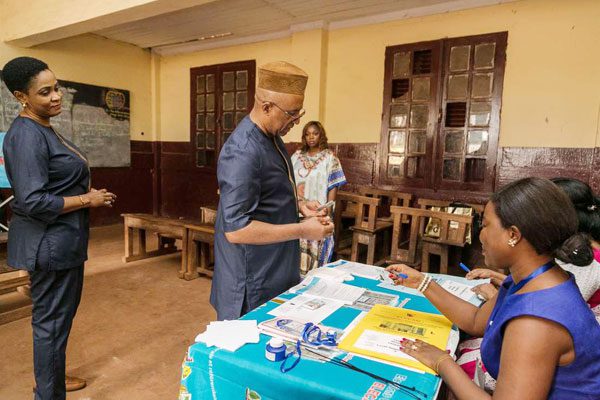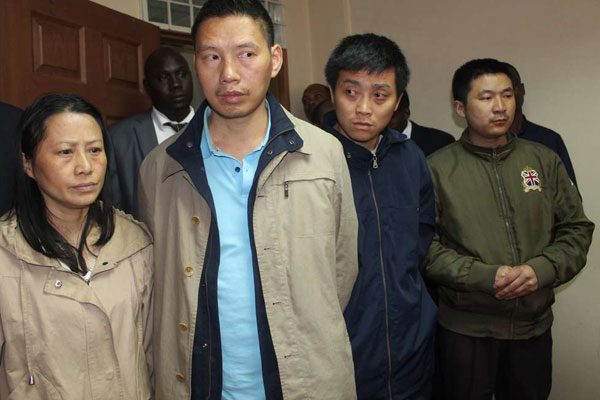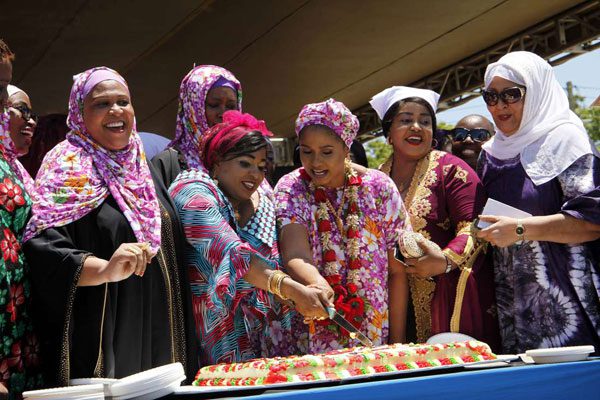
A Liberian song titled Pose for the Photo, has been trending in the country. The genius of the song is in its lyrics, seen as applicable to different interpretations, with most people relating to the line: “I posed for the photo, but I’m not seeing myself in the photo, people that were not in the photo, that them we’re seeing in the photo”.
The artistes insist the song is about unrewarded hard work based on experiences of discrimination in favour of other musicians. However, many resonated with its political interpretations.
Some of President George Weah’s campaigners, disappointed when he did not give them jobs but rather, retained members of the previous government complained “they posed for the photo but were not in the photo.”
The interpretation is applicable in other situations. A friend’s daughter received, with great joy, a scholarship from a university in Wuhan City some years ago. Wuhan is under lockdown as the coronavirus disease epicentre. The Wuhan scholarship signified the girl was finally “in the photo.” After completing her studies, she came back and still in the photo got a job.
She had met Africans working in Wuhan, enduring cold winters and homesickness considered by relatives to be in the photo and therefore able to afford black tax.
“Black tax” is money black people worldwide, without the luxury of inherited money, property or opportunities to build generational wealth, send home to pay bills like school fees.
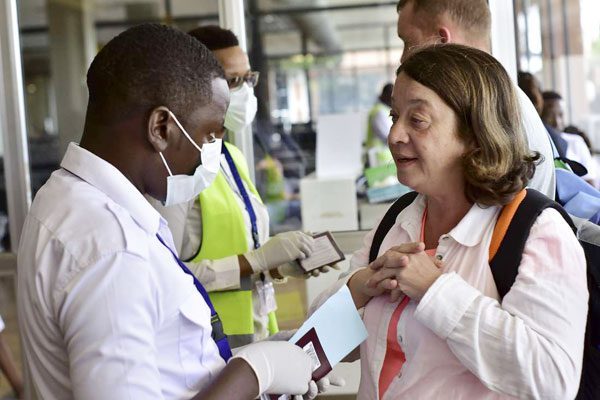
With news of the virus, Africans kept working, obeying instructions, wearing masks, washing their hands often, stocking up on food when lockdown was announced, and followed news on confirmed cases and deaths.
Different countries evacuated their citizens. The British, Americans, Canadians, Australians, Koreans, Japanese, French, Singaporeans, Cambodians and Filipinos left.
Africans waited and worried. Why were they not evacuated? Did their governments assume they were already infected? There was a glimmer of hope when South Africa announced repatriation of its citizens and the French evacuated two Seychellois students.
The rest waited, kept company by news giving hope that scientists in US and Israel were reportedly close to finding a cure and reassurance that panic is more dangerous than the virus.
Keep calm and wash your hands memes simplified the crisis even as churches announced an end to the peace handshakes during mass owing to the seriousness of Covid-19.
Let’s remain hopeful that decisions not to evacuate some foreigners from Wuhan are informed by lack of specialised capacity to handle an illness of this magnitude.
In a clear example of “posing for the photo but not being in the photo”, Kenya’s Business Daily reported in 2016 that sub-Saharan Africa invested $2 billion in training doctors who move to the West for higher pay.