Welcome to wairimūnderitū.com

Changing the world one word at a time

Books Articles Contact Wairimū Nderitū

Top Stories

Mūkami Kīmathi, Mau Mau Woman Freedom Fighter shortlisted for the African Studies Association UK, Fage and Oliver Prize!

Mūkami Kīmathi, Mau Mau Woman Freedom Fighter has been shortlisted for the African Studies Association UK, Fage and Oliver Prize. This prize is awarded to the author of an outstanding original scholarly work and one that is enlightening for a wider public about African issues published during the preceding two years.

Learn more about the prize Purchase at Book Duka, The African Bookstore Purchase at African Books Collective View book review
May 4, 2014

The Companion for Women Mediating Armed Conflict in Communities.

Drawing on years of personal experience mediating armed conflict across several countries and from collective community voices, Alice Wairimū Nderitū presents a cutting-edge approach, Peace Through Pluralism, in the Companion for Women Mediating Armed Conflict in Communities – Peace Through Pluralism (The Companion). The Companion includes a guide for facilitators.
May 5, 2014

Kenya Bridging Ethnic Divides.

The National Cohesion and Integration Commission (NCIC) was set up to facilitate and promote equality of opportunity, good relations, harmony and peaceful coexistence between persons of the different ethnic and racial communities of Kenya, and to advise the Government on all aspects thereof after the violence that followed the December 2007 elections.
May 6, 2014

Mukami Kimathi : MauMau Freedom Fighter.

Mũkami Kĩmathi: Mau Mau Woman Freedom Fighter is the story of the brave wife of one of Kenya’s foremost freedom fighters, Field Marshal Dedan Kĩmathi Waciũri. Kĩmathi led the Mau Mau war in Kenya’s independence struggle against the British colonialists. Mũkami’s role as a daughter, wife, mother, freedom fighter and leader is varied and very complex.
May 8, 2014

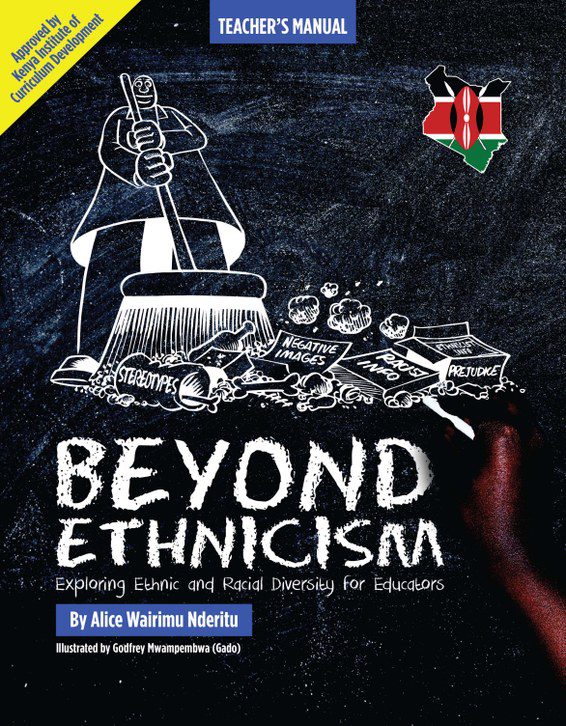
Beyond Ethnicism

The manual, Beyond Ethicism, Exploring Racial and Ethnic Diversity for Educators, a first of its kind in Kenya, speaks to the key issues of ethnic and racial belonging that are such a key determining factor in defining and dividing Kenyans. These two issues influence many social, economic and especially political-decisions. The manual transcends the limitations of current discussions on ethnicism and racism. Questions Of ethnic and racial belonging are connected to some of the deepest moral and political decisions of our time. Belonging is an emotional subject that as a country citizens should not lose capacity to discuss coherently.
October 27, 2019

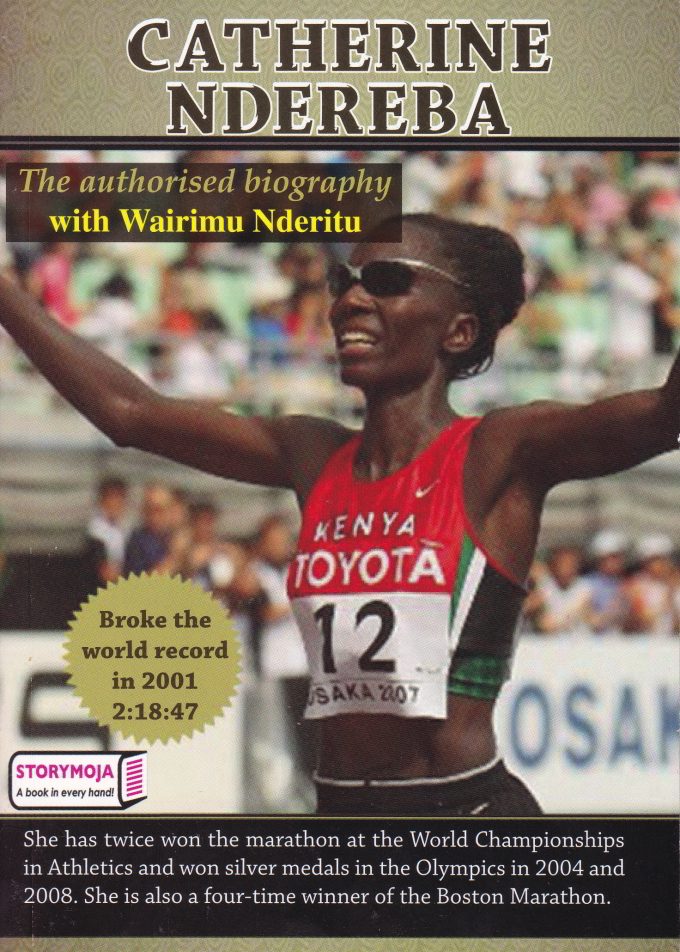
Catherine Ndereba

Catherine Ndereba, known in athletics as Catherine the Great, is a runner of great repute and professionalism, one of the best marathoners the world has ever seen. She is strong, resolute, committed and a great credit to her country, Kenya. Catherine broke the world record in the 2001 marathon, and was named the most consistent women’s marathoner in history, running and winning, for a decade without a break. She has won twelve half marathons, the most for any individual in the history of athletics. She is the only woman in the world to have won the Boston Marathon four times. She is the winner of two Chicago marathons. She is also the only woman holder of two world championship gold medals and silver in addition to two Olympic silver medals. The world would be poorer without her contributions to athletics. She has now increasingly taken on the role of mentoring younger athletes. Catherine is truly a woman who has written her way into the history books of athletics.

Get books from African Books Collectives

Wairimū Nderitū's books are distributed worldwide by African Books Collectives, an African owned, worldwide marketing and distribution for books from Africa.
View Books on African Books Collectives

Get books from Book Duka, The African Bookstore

Wairimū Nderitū's books are distributed in Kenya by Book Duka, The African Book duka.
View Books on Book Duka, The African Bookstore

Interview with Stephanie Kitchen, Managing Editor, International African Institute, London

Alice Wairimū Nderitū is an author, columnist (The EastAfrican) ethnic relations educator and mediator of armed conflict. She authored Beyond Ethnicism: Exploring Ethnic and Racial Diversity for Educators, approved by the Kenya Institute for Curriculum Development for Teacher Training Colleges; Kenya: Bridging Ethnic Divides, A Commissioner’s experience on Cohesion and Integration and, Mũkami Kĩmathi: Mau Mau Woman Freedom Fighter, an authorized biography. Alice was named 2012 Woman Peace Maker of the Year by the Joan B. Kroc Institute for Peace and Justice, University of San Diego; 2014 Raphael Lemkin participant of the Auschwitz Institute on the Prevention of Genocide; 2015 Aspen Leadership scholarship recipient; 2017 inaugural Global Pluralism Awardee; 2017/18 Simon Fraser University’s Centre for Dialogue Jack P. Blaney Awardee for Dialogue; and 2019 Diversity and Inclusion Peace and Cohesion Champion Awardee (Kenya). Her book Mũkami Kĩmathi: Mau Mau Woman Freedom Fighter was shortlisted for the African Studies Association (UK) Fage & Oliver Prize. She holds a BA in Literature in English and a Masters in Armed Conflict and Peace Studies from the University of Nairobi.
October 28, 2019

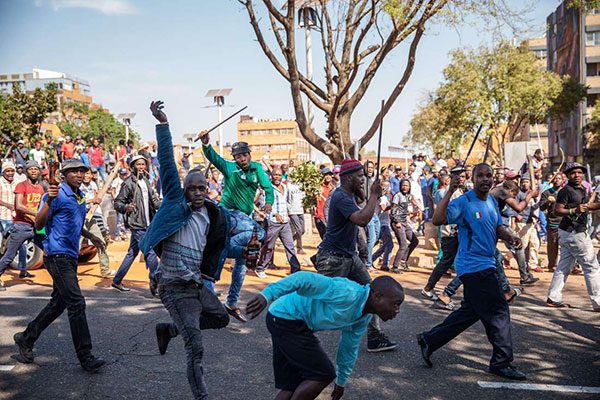
Why are 300,000 Icelanders a nation but 30 million Nigerian Igbos are a tribe?

Was there a middle ground? I wondered. I had taken the seat she offered and encouraged her to tell me about her life. I could not now shut down the conversation with a curt, “What do you mean by asking whether I am Kikuyu or Luo? I am a Kenyan!”
October 11, 2019

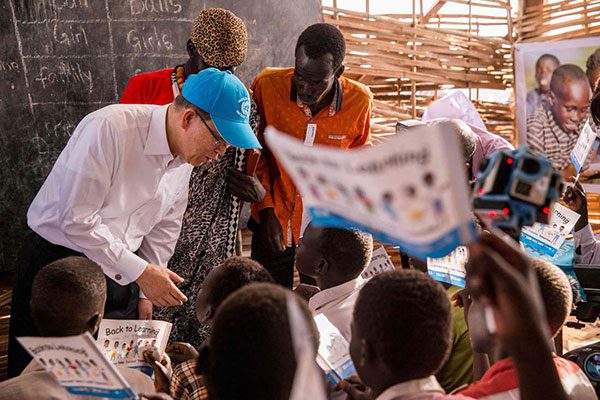
Hospitality industry? Our society has stopped respecting elders.

The hospitality industry management must begin discussions from an objective knowledge base grounded in facts rather than opinions and misconceptions. Talking meaningfully can help find a framework, language and tools to end discrimination
October 10, 2019

From the Nakuru County peace accord (2010-2012) to lasting peace

This case study provides the first analysis of the successful mediation between two communities who took up arms against each in the wake of the disputed 2007 General Elections. It is written by one of the mediators in the peace process. The Nakuru County Peace Accord ensured that, for the first time since 1992, a peaceful election took place in 2013. That this happened despite the earlier indictment of important political actors from the two communities by the International Criminal Court is even more remarkable.
October 10, 2019

Human Rights and Conflict Transformation

What are the potential – and limits – of bringing together human rights and conflict transformation in specific contexts? Going beyond the divide and polarising language of "peace versus justice", the authors argue that a more thorough emphasis on human rights – as causes and manifestation of conflicts, but also as normative and practical intervention tools – contributes to bringing conflict transformation closer to its aim of tackling conflicts at their deepest roots Evidence comes from contexts such as Nepal, South Africa, Israel/Palestine, Uganda and Colombia.
May 4, 2014

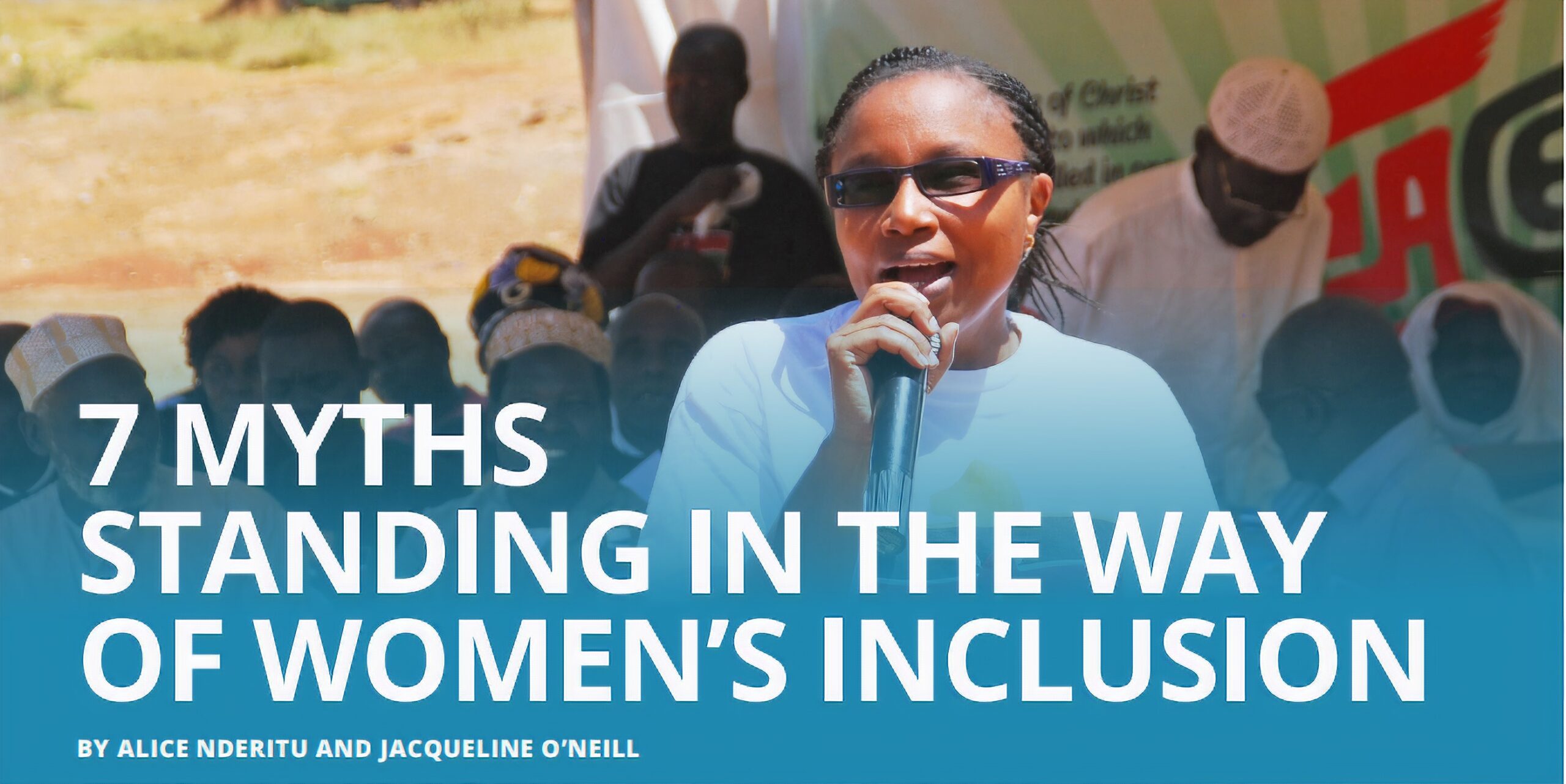
7 Myths Standing in the Way of Women’s Inclusion

On the eve of the 2013 elections, co-author Alice Nderitu, commissioner of the National Cohesion and Integration Commission-Kenya and former Joan Kroc Peacemaker of the Year, speaks about community ownership of peace at Kibera, Kenya’s largest informal settlement and scene of some of the worst atrocities during the 2007/08 violence.
March 12, 2014

Conflict Transformation and Human Rights: A Mutual Stalemate?

The statement that begins the conclusion of Michelle Parlevliet’s lead article provides a good entry point into the much discussed and rarely agreed upon topic of conflict and human rights. She states: “Over the years, I have often wondered why the mutual stereotypes about human rights actors and conflict transformation practitioners remain so strong” and why “the perception of a clash between the two fields [is] so persistent, despite the increasing recognition of the close link between human rights, conflict and peace”