A WhatsApp message doing the rounds lists topics students should learn but are not taught in schools. The list includes personal financial management, emotional intelligence and how to file tax returns.
We could add what Teacher Momanyi, in his e-mail, challenged me to write about: How teachers could begin speaking with students on ethnic divisions and handling constructive civil discourse. He called it the “difficult conversation.” Teacher Momanyi asked two profound questions in his e-mail: How does a teacher, who comes from the same society as everyone else does, move beyond personal experience to find mutual understanding and see issues from the perspective represented by the diversity of experiences among students? how does a teacher process their own biases and represent neutrality on divisive and emotional issues?
Here is what I think: The beginning of the term is appropriate for this conversation. Teachers have their hands full, given the vitriol from political leaders and acts of violence motivated by hate on the local, national and especially international stage.
The students look for and often don’t find models for constructive public political discourse on ethnic relations. This is a more difficult conversation than teaching the filing of tax returns.
The teacher leading the conversation, must reflect deeply and be aware of their own beliefs and biases about “others,” and emotions conveyed to students in reaction to, for instance, news related to ethnicity. Therefore, the teacher cannot be a middle-of-the-road participant in a classroom they are in charge of.
They have to begin by defining approaches to cultural diversity such as multiculturalism, for example sharing of food or joint celebrations of holidays such as Idd, Diwali or Christmas by persons of all faiths or ethnicities.
The sharing also extends to dance, songs and art. Multiculturalism is easy to participate in but may not quite contribute to social change.
Pluralism—which is the existence of different types of people with different beliefs and opinions, within the same society and the belief that that the existence of different types of people within the same society is a good thing—improves on multiculturalism.
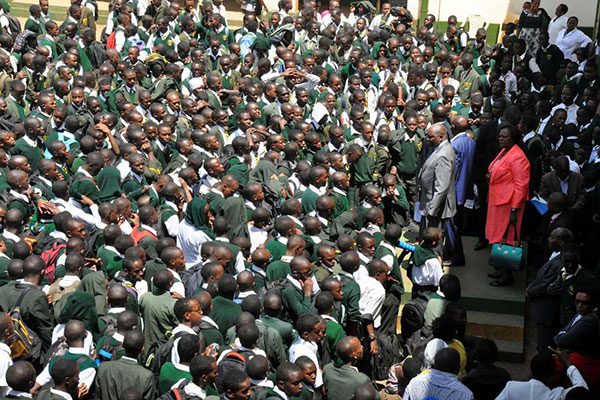
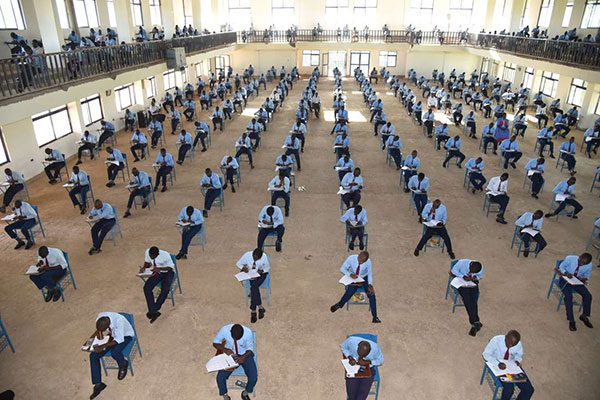
Jamhuri High School officials address the students at the assembly moments before the school was closed on January 24, 2018 following alleged religious animosity among the students which led to fighting. PHOTO | FARNCIS DERITU | NMG
Then there is cross-cultural communication focusing on learning cultural customs, norms and differences. It’s a good skill to have when working in a foreign country.
An example would be, observing customs of young people in African societies not addressing an elderly person by their first name or the custom of not shaking hands with women according to some faiths.
Work collaboratively with students to develop ground rules for the class when discussing emotional subjects such as ethnic relations.
Teach students to avoid generalisations and arrive at decisions without stereotyping or prejudice.
Lead discussions on structural causes of ethnicism, institutionalised discrimination and systematic exclusion and violence. Tell them how this can be addressed through ways such as taking legal action, affirmative action or equalisation funds.
Remember each student has an identity experience and therefore has something to share, so it is important for their views to be heard.
To encourage personal reflection, ask your students to write a blog or a journal of their personal experiences with ethnic relations; help them change focus from difference to reciprocity in their relationships with other students; discuss their fears of the “other” and what feeds it; examine the fluidity of identity and irrationality of stereotypes such as “this religion is’’ or ‘‘people from this country are’’ since one can change religion or nationality.
Tell them the question of co-existing with others is central to personal stability and they have to begin developing, consistently, lifelong strategies such as dialogue, not for persuading people to be “more like us” but for cross-cultural relationships to promote deliberation on differences rather than gain consensus.
Discuss examples of how culture is misused to exclude and fuel fear of “the other” and the influences that make our world so interdependent and therefore we must co-exist
Thank you, Teacher Momanyi. The “difficult conversation” is a most necessary conversation.