
I once worked in an office where we had a tradition of taking tea together once a month, with one person giving a presentation on something they were passionate about.
It had begun when a driver, asked to speak at his local church on our work, walked around the office seeking opinions, which we gave. We became interested in knowing what he eventually presented, and one Friday, over tea, he told us.
He was so interesting that the boss designated a new presenter for the next month. It became an unscripted every-month space for discovery of colleagues’ families, ethnic, religious communities and what they thought about our work.
The space proved to be especially important for young colleagues, graduates of the Kenyan “quota system” education policy that classified schools at the district level on admissions into secondary school. It stipulated provincial schools would admit 85 per cent of their students from their localities.
Older education policies had seen us attending schools in all parts of the country. This had meant that the first time a person from the Digo ethnic group, for instance, would meet someone from the Pokot ethnic group would have been in secondary school where as desk mates, classmates or housemates, they formed bonds greater than ethnicity or religion.
We were surprised some colleagues had graduated from high schools without ever having interacted with a person from another ethnic community.

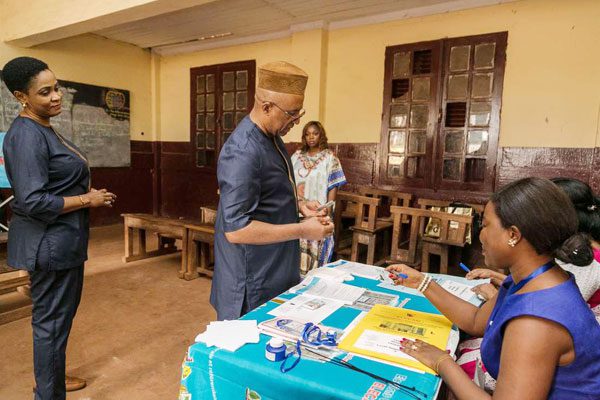
Candidates sit for an exam. Some people have graduated from high schools without ever having interacted with a person from another ethnic community. PHOTO | ISAAC WALE | NMG
They had been educated in local primary secondary schools and universities in their home region. They were “five kilometre radius Kenyans,” we teased them.
Their worldview was informed by the five kilometres around their village. They laughed, telling us they were lucky they got out. Some of their classmates had married spouses from the same village and were now teaching the next generation of five-kilometre Kenyans.
This story is actually quite tragic. The “radius” vacuum fosters distorted perceptions, impairing the capacity of people working side by side, who have not experienced diversity and appreciation of difference, to deal with prevalent negative stereotypes.
They are used to ideas from people who look and speak like them. Can you imagine not having that old schoolmate you borrowed clothes from when the photographer came to school, or conspired with to hit opponents’ shins if you missed the hockey ball?
Frequently, it is this image of the friend you have so much in common with that makes a difference in mindsets towards “the other” ethnic community, bringing sobriety back into our national psyche.
These relationships are especially useful, as the colonial educational system, retained for several years by independent governments, was not designed for Africans to know each other positively. There were no citations of any African in historical, scientific, geographical or any other study.
After colonialism, texts prioritised bigger, more visible ethnic communities in representation as their members were among those who wrote and approved teaching materials. This non-representation alienates, creates fear, suspicion, hatred and over-reliance on school textbooks as the only “valid” source of information.
In work places, talking meaningfully on topics such as stereotypes, policies and laws, exclusion, institutional practices and beliefs reduces negative perceptions.
There is a widespread reluctance to begin this conversation for fear of emotional backlash. Exclusion is a difficult topic and for those accustomed to privilege, equality may feel like oppression. Yet it’s important to begin – negative stereotypes may be the only images colleagues have of each other.
An office book club on books written by Africans on ethnic relations across the continent, including at least 50 per cent authors from ethnic minorities, helps to begin difficult conversations.
So does a movie club of ethnic relations films; induction of new staff on sharing public spaces and working side-by-side with people they may not have interacted with; celebrating everyone’s religious holidays and if staff say they have nothing to share in monthly meetings asking them to speak about heroes from their communities.